

bed Bug treatments
-
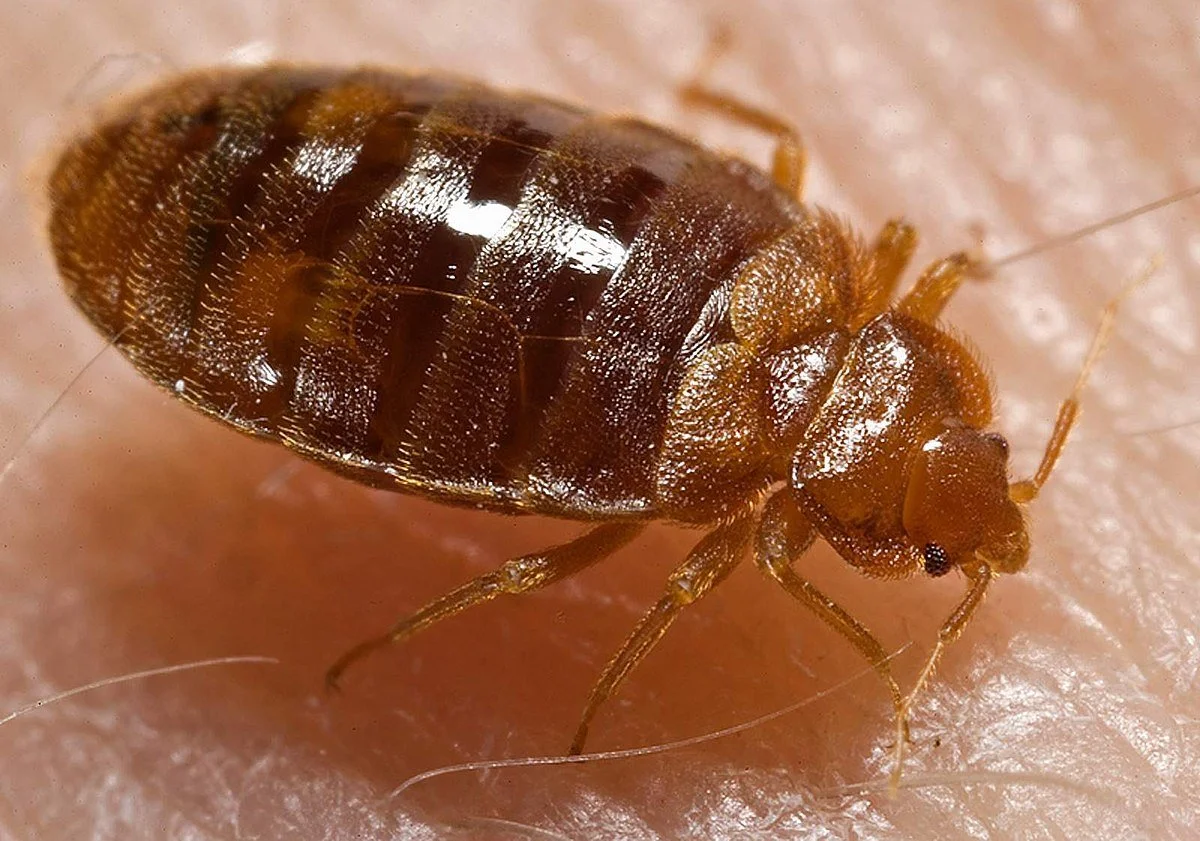
Bed bugs are small, flat, parasitic insects that feed on the blood of people and animals, typically at night, hiding in beds, furniture, and cracks, and are known for causing itchy bites and spreading via luggage or used items, though they don't usually transmit diseases. Adults are rusty red, apple-seed-sized (about 1/4 inch), and can survive long periods without feeding, making infestations hard to eradicate.
-
To spot bed bugs, look for them (apple seed-sized, reddish-brown) or their signs: rusty/black spots (fecal matter) on bedding, tiny pale eggs, shed skins, or a sweet, musty odor, especially in mattress seams, box springs, headboards, and furniture crevices. Use a flashlight to check dark, hidden spots, as bed bugs hide during the day and come out to feed at night, often leaving bites in lines or clusters on skin.
-
You can help yourself prevent the spread and further infestation of bed bugs in your home by washing and drying your clothing, and bedding in high heat, and storing them in sealed, plastic containers, garbage bags, etc.
This is a recommended, commonly used approach, and is part of the Bug Shield required preparation for effective treatment. recommendation.
-
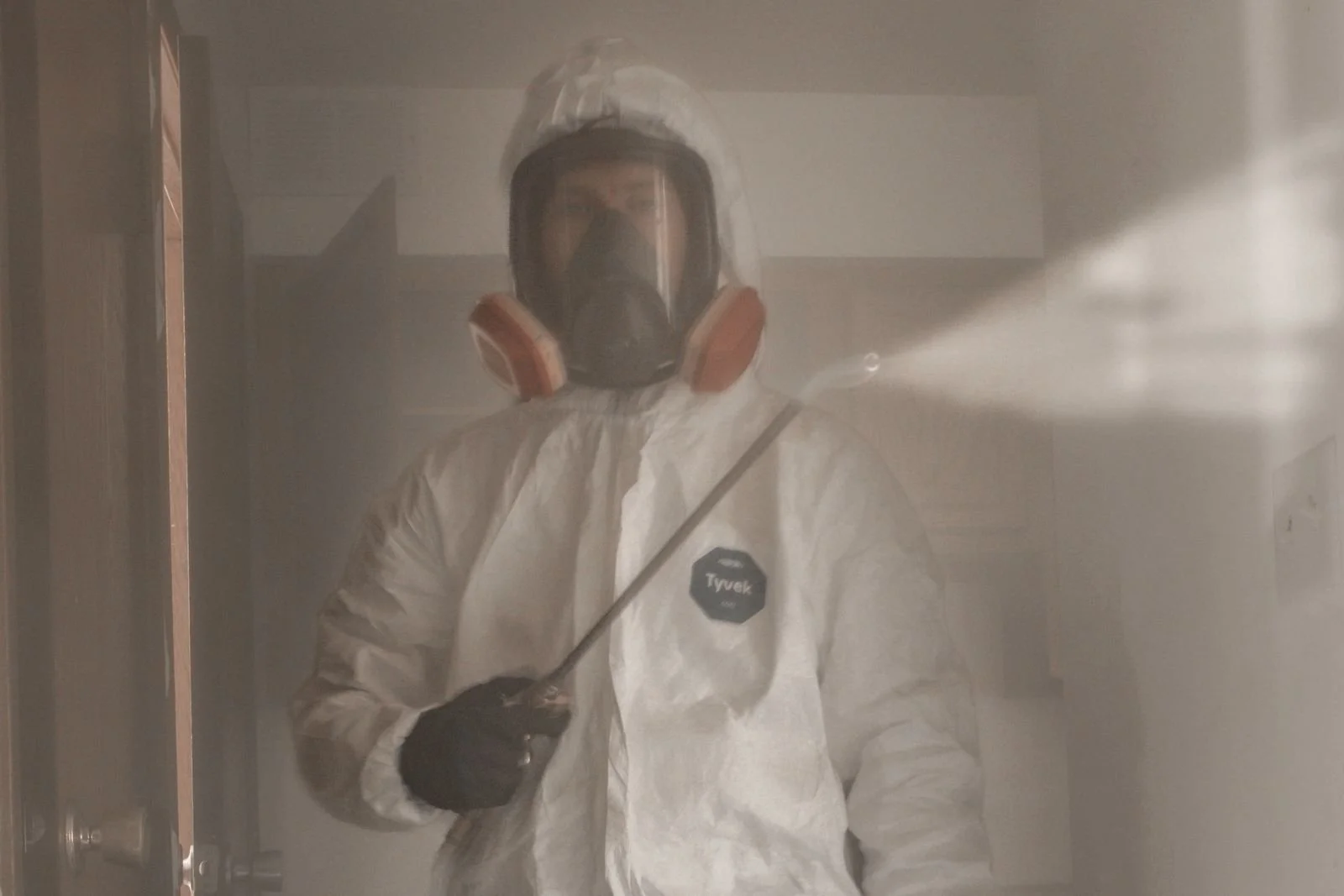
After your appointment is scheduled and you have had ample time to follow our preparation letter / instructions for treatment, a Bug Shield technician will come to your home and apply a chemical treatment to all areas of your home that are, and could potentially be an area of infestation.
Including and not limited to wardrobes, closets, beds, bed frames, couches, crevices, wall voids, etc.
-
You can reach us anytime via our contact page, contact form, number or email. We aim to respond quickly—usually within one business day.
Simply click here to reach our contact page.
-
We offer flexible pricing based on severity, home sizing, and infestation, complexity. After an initial conversation, a price will be determined, or a Bug Shield technician will come to your home and conclude an estimate.
-
Collaborative, honest, and straightforward. We're here to guide the process of eliminating your bed bugs, and getting you back to living in your stress free, shielded home.
-
Item 1. Declutter & Organize
Minimize Clutter:
Clear floors, under beds, dressers, and shelves of all items to give technicians access and remove hiding spots.
Isolate Items:
Don't move infested items to other rooms; instead, bag them tightly and keep them in the treated area until treatment.
Empty Furniture:
Remove all contents from closets, dressers, nightstands, and entertainment centers.
2. Launder Everything
Remove all bedding (sheets, pillowcases, blankets, mattress pads) and place directly into sealed plastic bags.
Wash fabrics in hot water and dry on the highest heat setting for at least 30-45 minutes to kill bugs and eggs.
Place clean, dried clothes and linens into new, sealed plastic bags or bins until told it's safe to return them.
3. Prepare the Room for Treatment
Pull beds, dressers, and other furniture at least two feet away from walls.
Remove headboards and stand mattresses/box springs on their sides to allow access to all surfaces.
Thoroughly vacuum mattresses, box springs, carpets, rugs, and crevices; immediately seal and dispose of the vacuum bag in an outdoor trash can.
Take off electrical outlet and switch covers (after turning off power).
4. Protect Valuables & Pets
Electronics/Books: Place electronics (unplugged) and books in sealed bags if not infested; items like crayons or candles should be removed as high heat melts them.
Pets: Remove all pets, and cover fish tanks tightly, turning off pumps.
5. Plan for Treatment Day
Leave Premises: You, your family, and pets must vacate the home for several hours during treatment.
Follow-Ups: Be prepared for multiple treatments, usually spaced 2-3 weeks apart.